11 Ways to Naturally Calm Anxiety







In addition to our range of services and treatment programs offered here at Psymplicity Healthcare, we also provide medico-legal services, from reports and assessments for clients to solicitor reports and expert witness testimonies. We’re here to help you win the best possible outcome for your case, and our experts will be there to support you every step of the way.
In this blog, we’ll be covering the basics of medico-legal. What are medico-legal reports, and when and why would you need to seek medico-legal assistance from Psymplicity Healthcare? Read on to learn more.
In short, a medico-legal report is a document written by a medical professional to support you in any legal case where you are required to provide medical proof or evidence. Depending on your circumstances and details of the case, the report may need to include various details about your condition, medical history and other medical facts, further information about your treatment plan and a professional opinion on your personal progress. This information is provided to legal firms and solicitors to support your case in court or other legal settings.
At Psymplicity Healthcare, our experts have years of experience producing psychiatric, neuropsychology and psychological medico-legal reports, and we can provide these documents in as little as two weeks if required. Our trained professionals can provide you with psychiatric evaluations, family assessments, diagnosis information or any other documentation you might need for your case.
Medico-legal reports are required in a wide variety of legal situations, but most commonly they are used when providing evidence in court. Below are some events in which a medico-legal report may be required:
You can find out more about the specific medico-legal reports we can provide on our medico-legal page. If you aren’t sure whether you will need to provide medical documentation, you can ask our team directly or talk to your solicitor.
You will need to get in touch with your legal representative before you request a medico-legal report. The reports are commissioned by lawyers and solicitors to ensure all relevant details about the case are provided to the medical expert.
Once we have received the request for your report, we can usually complete the process within two weeks, depending on your individual circumstances. While there can often be a quick turnaround, it is nonetheless advised that you prepare well in advance of the court hearing and discuss any further information that will be required from other parties with your legal advisor.
At Psymplicity Healthcare, we’ve had years of experience producing detailed medico-legal documents (including reports and assessments) for hundreds of winning clients. Our expertise across a wide range of conditions means we are well placed to provide any medical evidence you will need to support your case.
We provide the following medico-legal services:
Accurate, detailed reports are provided to give ample insight into your medical background and support your case.
Assessments can be arranged to help you claim for compensation due to injury or trauma.
Our expert consultants, psychiatrists or psychologists can provide professional, reliable witness testimonies to support you and your legal case.
No matter how complex the case, we can help solicitors by providing detailed reports that cover all bases.
Whatever your condition, and however you need us to help with your case, we have the experience and expertise to deliver quality-assured, reliable documentation for all legal purposes.
If you would like to find out more about how Psymplicity Healthcare can help you achieve the best possible outcome, get in touch today.

Although autism is incurable, there are many things you can do to support your child and help them thrive.
If your child has been diagnosed with autism or is showing signs of autism, you may feel unsure about how you can help. Being told that autism is incurable can often leave parents feeling concerned that there is nothing they can do – however, although autism is incurable, there are many things you can do to support your child and help them thrive.
Below are 10 tips on how to help your child with autism to reach their potential, from helping them to communicate better and manage their emotions to minimising sensory overload and more.
To help your child thrive, start by understanding their autism. Although autism presents itself uniquely from one child to another, try to learn about how autism impacts your child specifically, in their physical, behavioral, and emotional development.
The internet offers a plethora of information regarding autism in children, and across different resources, you will find varying autism presentations, some of which may fit your child. It’s important that you take your time with your research – one resource may not answer all your questions, but snippets from different resources should help you build a better picture of what your child is experiencing. You can also find short online child autism tests which can help you understand signs of autism.
Schools are starting to become much better equipped with supporting children with autism and their parents – research suggests 70% of children with autism are taught in mainstream schools. Speak to your child’s teachers to ensure you are continuing to learn about your child’s needs, preferences and progress even when you are not with them.
If you have any questions, speak with a medical professional. Autism can feel like a complex disorder, particularly when it presents with other conditions such as mental health difficulties. Let a professional help break things down for you and support you with how to help your child. If your child has suspected signs of autism, then getting an autism assessment from a specialist psychiatrist or psychologist can help them get on the right path for a holistic treatment plan.
Connect with other parents who have a child with autism. They are learning too, and are likely to welcome support from peers. Although your children’s presentations of autism may differ, you may nonetheless gain some valuable knowledge that can help you to better support your child. Speaking with other parents may also help grow your child’s social circle. If your child is attending a mainstream school, they may welcome having some time to connect with other children with autism outside of school.
For most children with autism, having a routine can be very soothing as sudden changes can trigger anxiety. Try to build yourself a routine that supports your child’s routine, and is consistent. Be sure to communicate the schedule clearly to your child and remind them of it regularly so that they know what to expect.
Draw out a schedule for your child in a way that is engaging for them. Use colours and textures that they like and display it somewhere visible and accessible. Remind your child of the schedule regularly. Some children like to go through their schedule every morning, or even at different points throughout the day to remind themselves of what to expect.
If you have planned changes coming up, try and communicate this to your child as soon as you can, and remind them of the upcoming change regularly. If possible, show them pictures of the change. If there is an unplanned change, again try and communicate this to your child and expect to take more time with helping them transition into the change.
To help them cope better with change, give your child regular choices. For example, when going through the schedule for the day, let the child choose between two activities at different times. You might ask them ‘play inside or play outside’ or ‘green crisp packet or blue crisp packet’. Giving them choice will help them to exercise some flexibility. However, it is important to note that this might not be the case with every child with autism.
Children with autism, as with many of their other traits, will exhibit varied abilities when it comes to verbal and non-verbal language. Often, even those that have some verbal language skills may prefer to communicate non-verbally, particularly when in new or uncomfortable situations.
Certain motions or actions your child uses whilst speaking can give you a deeper insight into what they mean if you pay careful attention and try to learn more about them. Try to notice patterns in their movements and how they relate to different temperaments.
Use physical gestures, eye contact and your voice to help the child build a form of language to communicate with. Ensure that these gestures are simple enough for the child to learn and imitate. For example, when you want the child to look at something, use an exaggerated voice and point in the direction you want them to turn to. Equally, when they use similar non-verbal language, respond enthusiastically, and look in the direction they point to reinforce their communication. If they point at an object, then pick it up and give it to them. Similarly, if you want something, point at it before proceeding to pick it up.
Many children with autism experience sensory sensitivity. This means that they can often feel over or under-stimulated by their senses. To help your child cope better with such sensitives, get to know what soothes them and what might trigger sensory overload.
Keeping a diary of your child’s sensory overload triggers can be helpful in supporting you to manage their anxiety. For example, if you have noticed that your child becomes distressed when in busy areas (sometimes signalled by and places their hands over their ears), you might find that giving them ear defender headphones can support your child and allow them to continue to engage with these activities without experiencing the distress that comes with sensory overload. Keeping a diary can also help you monitor changes with your child – as they grow, their sensory needs may change, and your diary will help inform you of new adaptations or old ones that are no longer needed.
Agree a safe space that your child can use to calm down when they are feeling overwhelmed or anxious. It can help for the safe space to contain certain objects, smells and textures that your child finds comforting. For example, if a child has a favourite soft animal, they may respond well to soft, furry textures when feeling distressed. In such cases, it might be important to have these textures available in the safe space.
While it can sometimes feel overwhelming, remember you are not alone in being a parent of a child with autism. Having the right support can make a huge difference to yours and your child’s life.
Online you will find lots of support groups that can help connect you with other parents via forums or local, in-person groups. The support forums can also be found on social media.
Your local council can give you financial support if your child is under 25 years old. Enquire about the “local offer” scheme to help with special education needs. The local council can also be helpful in guiding you towards additional support services within the community.
Having an expert assess your child with care and consideration can help you get a specific diagnosis, as well as a tailored treatment plan that encompasses all areas of your child’s life and professionals involved in their support. An expert-informed treatment plan can give your child the best chance at thriving and meeting their potential.
Letting people know about your child’s autism can help them a great deal. If they and others are able to understand your child’s autism, they can sensitively make adjustments to help them cope better with different situations.
Explaining autism to your child can be empowering for them. If they are able to understand their needs better, it can encourage independence in seeking out aids and adaptations they need which can be a useful skill going into adulthood.
If your child has siblings, involve them in understanding the needs of your child with autism. This can not only provide you with support but also build a more compassionate relationship amongst the siblings.
Keep an open dialogue between yourself and the school, and continue to update them with any changes your child displays. Through regular updates, together you can ensure you are providing consistent support for your child. Equally, keeping the dialogue open gives school the opportunity to update you on any changes too.
Understanding emotions and communication can be challenging for children with autism. This can lead to tantrums as the child becomes overwhelmed with stress, anxiety or fear, and cannot regulate their emotions or express them in a socially acceptable manner.
It is natural to feel upset when you are not being understood, and in children with autism this is no different. When children with autism have tantrums, it is their way of communicating their frustration to you. Try to keep your cool and don’t be tempted to put the fire out immediately. Give them a little time to express themselves, as too many stimuli at once can add to their frustration. Go through what just happened and try to understand the trigger.
When a child with autism is engrossed in something or is really enjoying themselves, it can become challenging to get them to stop or leave. Giving your child minute warnings to help them understand what to expect can guide them through that transition with more ease. For example, you might tell your child they have 5 minutes before you leave, then give them 1-minute warnings as you count down. This may not be successful straight away, but if you are consistent with this, they will begin to learn what the warnings mean.
Many tantrums can be driven by your child not getting what they want. To help a child with autism learn to wait, using “first/then” can be helpful. Create a visual chart that suits the needs of your child, title the first box “first” and the second box “then”. In these boxes you can write or draw what activities to expect, or you can add photos if they are available. Using the “first/then” chart is a simple way to help provide structure for your child as well as helps them follow directions.
Focus on what you would like them to do, not what you want them to stop doing.
Go against your instinct when you want to use the words “don’t” and “stop”. Such words can be confusing for an autistic child, so offering an alternative is a much simpler way of communicating.
For example, saying “don’t stand on the chair” might not be understood as simply as “only sitting on the chair please”.
When communicating with a child with autism, relying on conversational methods that you would use with typically developing children can be challenging. Many children with autism experience a marked deficit in verbal language skills and often rely on non-verbal communication.
Be mindful of timing when choosing to communicate with your child. Many children with autism have a specific schedule and routine, and when they are engrossed in something on that schedule, they may not welcome being disturbed. If your child is already distressed by something, this may not be the right time to talk to them either, as too many stimuli at the same time can lead to sensory overload. Try to find a quiet time to talk to them.
Many children with autism can have highly focused interests. These interests can vary from colours to fictional characters to certain historical time periods. If you notice such an interest, you can use it to engage your child in a conversation. They may often change this interest, or have several interests, so be sure to take note of these and use these to help keep your conversation varied.
With verbal children, carefully consider how you construct a sentence. Try to avoid complex structures that include metaphors, rhetorical questions, or sarcasm; be simple and direct.
With non-verbal children with autism or those with limited verbal language, learn more about how they communicate. Try to understand patterns in their communication behaviour to help you gauge what they are communicating. Use physical gestures, eye contact and your voice to help the child build a form of language to communicate with. Ensure that these gestures are simple enough for the child to learn and imitate.
Children with autism tend to think visually, so if you feel you are struggling to get through to them verbally, get a pencil and paper and start to write or draw pictures. If initially they didn’t understand what you said, the pictures and writing can help make this clearer for them.
Behaviour management is not about punishing your child, but teaching them boundaries through nurturing communication. This can be particularly challenging with a child who has autism but with the appropriate adjustments and patience, it can work well.
When considering rewards and consequences, try to use consequences that are as natural and connected to the behaviour as possible (e.g. if they pour their drink on the floor, take the drink away), however account for your child’s autism. For example, using a time-out for a child with autism might not be a consequence, but a reward, because they enjoy time away from others.
If your child is engaging with undesirable behaviour, such as being aggressive and physical you when they want something, try to focus on gradually working on this behaviour by modelling an alternative behaviour. You might point in the direction of the object they want, then lift their arm and get them to point, before getting up and giving the object to them.
Things will undoubtedly get tough at times, but try not to give up. When you believe in your child, it can empower them to believe in their own potential and reach their goals. If you give up, it can lead to difficult behaviour being ignored and vital skills being unlearned. This can be particularly problematic growing up, and will likely cause difficulties in adulthood. One day when you look back, the sense of accomplishment you will get from seeing your child with autism learn and grow will outweigh memories of a stressful day at home.
When your child has put in effort or has accomplished something, be sure to reward and encourage them with something they will respond well to. In children with autism, this can vary greatly as each child may have varying special interests and may not necessarily like the smell or taste of a sweet treat, for example.
Having an autistic child can be just as rewarding as it is challenging. . Sometimes, however, just when you think you’ve made progress, something might set you back. Try not to focus on days when things haven’t gone so well – except to briefly reflect so that you can understand why it went that way. Acknowledge your own accomplishments, whether it’s learning something new about your child or seeing your child learn something you have taught them. Allow yourself to bask in those joyful moments -you both deserve it.
If you would like professional support for your child’s autism, our highly experienced child autism specialist can help guide you from getting your child the right diagnosis to creating a holistic treatment plan tailored to your child’s needs. Take our private ASD assessment to see if your child could benefit from professional support.
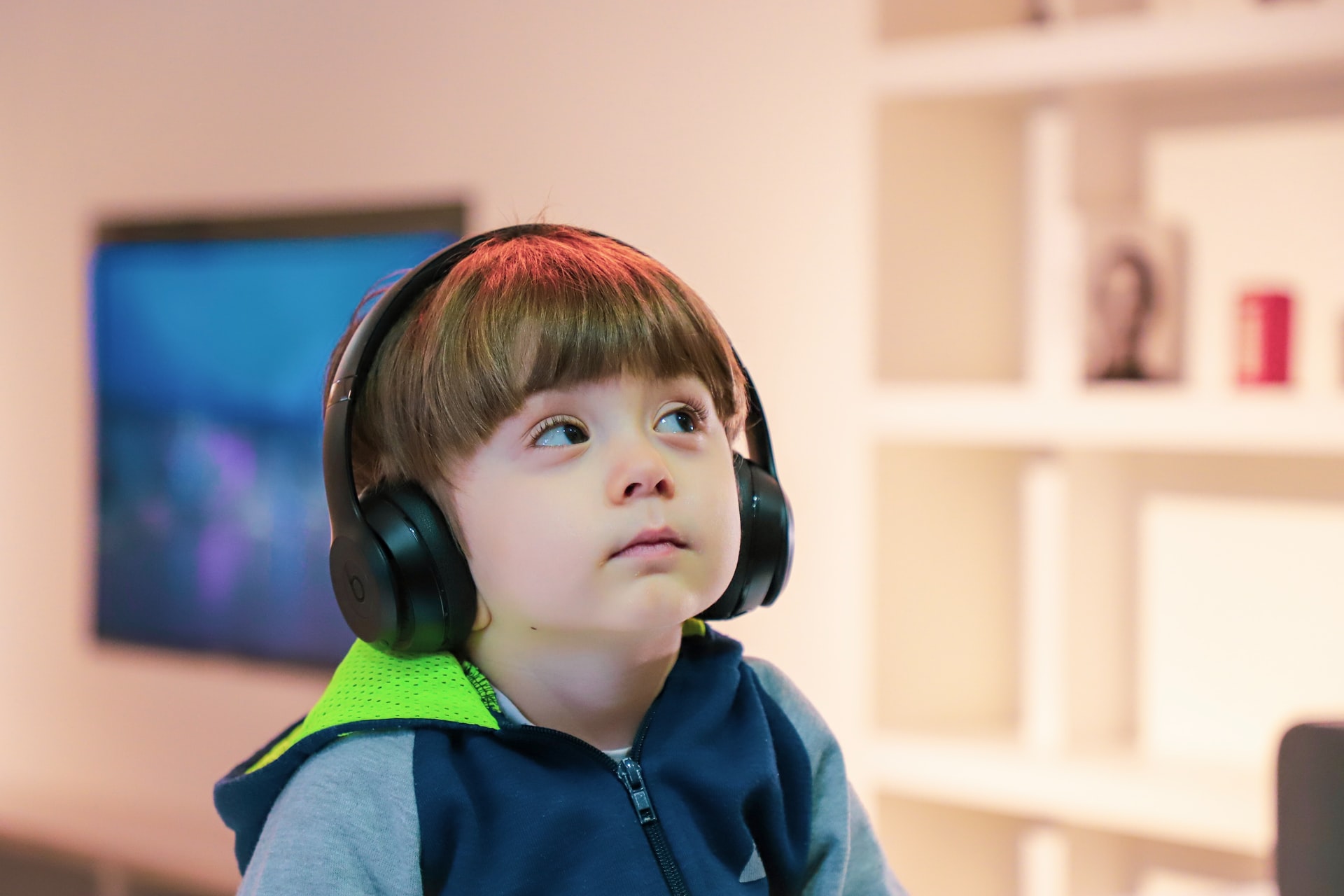
Discussing autism with your child can be challenging, whether they are diagnosed themselves or need to be aware of autism amongst classmates and friends. In this post, our expert details some useful tips for you to keep in mind when you start to introduce your child to autism.
Autism diagnoses across the world are happening quicker than ever before, which means that raising awareness and helping people to understand the condition is becoming increasingly important. A vital part of awareness is educating others who do not have autism, as well as those who do.
Since 70% of autistic children are educated in mainstream schools, it is highly likely that your child will come across a classmate with autism. Therefore, making all children aware of autism and the experiences that these children have is key. If everyone became more aware of autism, together we could create a more autism-friendly world and education system that considers each person’s individual needs and provides them with ample opportunity to thrive.
If you want to play your part and get involved by talking to your child about autism, here are seven useful tips that will make the process easier.:
Autism can present differently depending on the individual, and can also present alongside other conditions. When explaining autism to a child, although it is important to explain the differences that can appear across the spectrum, try to keep your explanation relatively simple.
Cover the basics such as social skills, repetitive behaviors, and routine, as well as the most common autistic traits. Explain that children with autism can experience heightened senses, and sometimes when there are too many things going on at once, this can trigger discomfort and anxiety.
Whether you are sharing about your own child with autism or one of their classmates, try to refer to the individual’s specific presentation of autism to help your child understand it better. Not every child with autism will present in the same way, and abilities will vary greatly. Help your child understand another child’s specific abilities and answer any questions they might have about what they have noticed about them.
Although some children with autism will not understand analogies and metaphors and would prefer simpler, more direct language, when explaining autism to a typically developing child, using an analogy can prove quite useful.
Below are some helpful analogies you could use:
Having autism is like being a Mac laptop amongst a world of PCs. Ultimately, both machines do the same thing, but they have different operating systems, menus and keyboard commands. It can be difficult for Macs to communicate effectively with PCs as not all the software is compatible, but it is possible to find a way to make both machines talk to one another. With this analogy, you can use computer viruses to explain mental health difficulties (all computers, including Macs and PCs, can get viruses from time to time).
If you have a child with autism and mental health difficulties, discuss with a professional how siblings and classmates can help support them as part of a holistic mental health care plan.
In the back of your TV you will notice 3 coloured wires plugged in. The red wire connects the audio on the left side of the TV, the white wire connects the audio on the right side of the TV and the yellow wire connects the image with colour.
Now imagine if you did not put the wires in the right place, they are all plugged in but your experience of the video/images on the TV may not be complete. You may only hear audio from one side or get a distorted black and white image. The equipment is all there; there is nothing missing – your TV is simply wired a little differently.
To help your child understand what is happening when a child with autism is being overwhelmed, you can use the Coke can analogy. Imagine that every time a child with autism carries out an exercise or task that requires energy and concentration, a Coke can is being shaken slightly. As the day goes on, the Coke can is shaken more and more, and the pressure builds. If there is too much going on at once, this can cause the can to shake more vigorously. Sometimes, it is possible to let the fizz out a little at a time, but occasionally it can overwhelm the can and cause it to explode.
Let your child know that there are many people in the world with autism, and they can vary greatly in terms of ability and age. It’s highly likely that they will meet people with autism throughout their life, and the earlier they understand this, the better.
It can help to use famous people as examples to help your child put well-known faces to descriptions of autism. Examples include Susan Boyle (singer), Tim Burton (movie director), and Bill Gates (co-founder of the Microsoft Corporation).
Common descriptions of autism can tend to explain what a child cannot do and how this sets them apart from other children. Although it is important for your child to understand the needs of an autistic child, what can be helpful for them and what might be distressing, focusing on differences can create a barrier between how a typically developing person might relate to someone with autism.
Instead, highlight what the child can do. Focusing on the abilities of a child with autism and what things they enjoy can help your child find common interests with them.
For example, an autistic child might not have developed verbal language, but enjoys kicking a football around and playing in the sandpit.
Encourage your child to learn about how someone with autism communicates. Language abilities can vary greatly amongst those with autism – many may not develop verbal language skills at all, and communicate only with non-verbal gestures.
Encourage your child to learn how to engage with an autistic child by observing their specific way of communicating. For example, your child might notice that the child with autism in their class responds well when the teacher uses pointing in an exaggerated way to get the attention of a child with autism, or they may just use simpler, more direct language.
As 70% of children with autism are taught in mainstream schools, it is likely your child will meet a child with autism at school. Explaining how a child with autism may have differential needs, and what your child can do to make that environment friendly for them, can be extremely valuable for the autistic child.
It is not uncommon that a child with autism can become overwhelmed with sensory overload. Explain to your child how autistic people can experience senses more intensely compared to them, and how this can trigger anxiety and occasionally what might look like a meltdown or a tantrum. Encourage your child to learn about certain triggers and soothing techniques.
If your child is attending a class with an autistic child, it can be helpful to read up on adjustments made to support a child with autism in the classroom. This way, your child will be able to understand why their classmate has certain aids that aren’t available to them.
Whether you’re explaining autism to your child because they know a classmate or have a sibling with the condition, encourage them to build skills to support the autistic child and learn how to engage with them. Often, children with autism can feel unapproachable to those who don’t understand their condition, and this can feel quite marginalising. Include them in your child’s treatment plan.
If you are talking to your child about a sibling’s autism, then involve them in the assessment and treatment plan. If you are seeing a professional for a specialist holistic child autism assessment, involving important people in that child’s life within the plan can prove more effective.
Learn more about how you can help your child with autism and share this information with siblings and classmates so that they know what they can do to help. Have an open discussion about how your child presents, what they enjoy doing, what upsets them, and what they need when they feel they feel that way. If siblings and classmates know how to adjust and engage with your child, then they are more likely to do so.

There are lots of community organisations that hold events during the year to increase awareness of autism. These events can involve the whole family and can be a great way to teach your child about autism.
On your local council website, you should be able to find an extensive list of national and local organisations that organise and hold regular fund-raising events for people with autism. The events provide a good opportunity for you and your family to get to know other families with an autistic child and learn about the condition.
There are also lots of opportunities to volunteer with organising such events, or to simply attend play clubs with other autistic children and help. This might not be something your child could do at a young age, but they may get some valuable insight into your experience of volunteering.
If you think that your child might have autism, take our child autism test to see if your child could benefit from professional support.

In the UK, approximately 70% of children with autism are taught in mainstream schools – and the number of children being diagnosed with autism in the classroom is rising. Data has shown that autistic children are less likely to be high achievers in education, and are more likely to experience unemployment as adults.
However, training for teachers is not always substantial enough to cater for the rise in children being diagnosed with autism. Because of this, both teachers and children can have challenging experiences at school.
Supporting children with autism at school is vital. Not only will it allow for a more inclusive learning environment, but it can give them fairer opportunities to reach their potential.
While teaching a child with autism may seem daunting for some, with proper training in place for teachers and parents, it can be highly rewarding, in addition to being beneficial for the child.
Below are 10 tips for both parents and teachers to help create a supportive learning environment for children with autism.
Whether you are the parent or the teacher, it is important to develop an interest in your child’s unique place on the autism spectrum.
An autism assessment with an expert can provide you with the detail required to tailor your child’s environment to suit their learning needs.
The assessment will give you the chance to collaboratively form a holistic treatment plan, by integrating and involving all areas of their life including their teachers at school. This detailed insight into your child’s strengths and areas to work on will allow you to create a supportive learning environment.
An autism assessment can be extremely helpful but it is only the first step, maintain this inquisitive approach both at home and in the classroom. Keep learning about the child as they grow and change so that you can continue to adapt to their needs.
For both parents and teachers, there are plenty of training programs available to help enhance your understanding of how best to work with children with autism. These programs also connect you with important networks that can provide ongoing support.
If you are unsure about whether your child is exhibiting signs of autism, learn more with online child autism tests. These tests can give you an indication of whether there are probable signs of autism.
Children with autism can have varying abilities when it comes to communication. Some may develop verbal language later than typically developing children, and some may not develop verbal language at all. Others may understand and communicate with verbal language, but in a distinctly different way to typically developing children.
As language can vary from child to child, having a clear communication method in place that is adapted to each child’s language needs is vital.
With verbal children, carefully consider how you construct a sentence. Try to avoid complex structures that include metaphors, rhetorical questions or sarcasm; just be simple and direct.
For example, if you’re asking a child to put their coat and bag away, normally you might say: “Adam, please put your coat and bag away when you come in”.
To many children with autism, this can be a very vague and confusing instruction.
A more simple and direct way of communicating this would be “Adam, when you come into the classroom, please find a free peg and hang your coat and bag on it”.
To be clearer, you can also point in the direction of the pegs. Keeping your instructions clear and simple, in this way, can enhance their understanding.
With non-verbal autistic children or those with limited verbal language, learn more about how they communicate and notice patterns in their communication behaviour.
Use physical gestures, eye contact and your voice to help the child build a language to communicate with. Try to ensure that these gestures are simple enough for the child to learn and imitate.
For example, if you wanted the child to look at something, you could use an exaggerated voice and point in the direction you want them to turn to.
Equally, if they were to use similar non-verbal language, respond enthusiastically and look in the direction they are pointing to reinforce their communication. If they point at an object, pick it up and give it to them.
Similarly, if you want something, point at it before proceeding to pick it up.
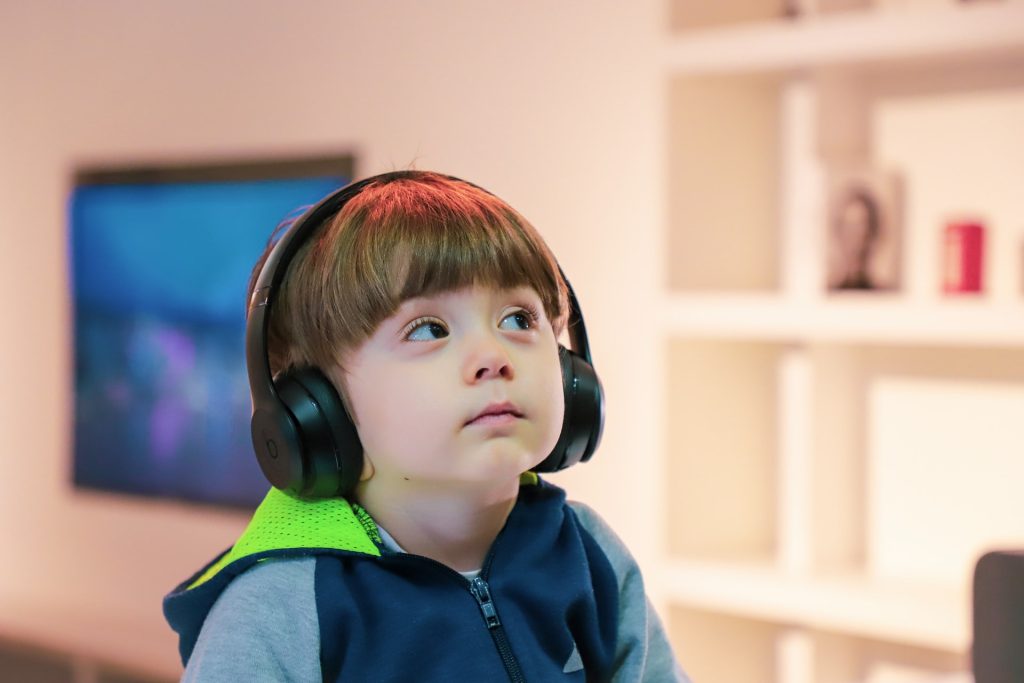
Many children with autism experience sensory sensitivity. This means that they can often feel over or under-stimulated by their senses.
As a parent, you may notice your child’s sensory preferences at home. Observe how your child reacts to certain sounds, smells, colours, and textures. Sometimes keeping a diary can help to highlight important patterns. If you notice something important, communicate this with the school in as much detail as possible.
This will enable your child’s teachers to adapt the classroom to suit their sensory needs, and prevent the child from becoming overwhelmed with over-stimulation.
As a teacher, it is equally important that you observe and learn about the child’s sensory preferences too. They may be exposed to new stimuli in the classroom that their parents haven’t seen them experience.
For example, you may notice that the child becomes very distressed when the school bell rings. In such cases, you may ask the child to put on their sound defender headphones before the bell is due to ring.
It may also be helpful to communicate a child’s sensory needs with the rest of the class to bring about a group effort in supporting a child autism in the classroom. Getting the class involved can significantly improve the learning environment for both typically developing children as well as those with autism, causing far less disruption.
The uncertainty that comes with day-today activities can often feel anxiety-provoking for many of us, but more so for children with autism.
Children with autism find great comfort in routine and knowing what to expect. In some ways, schools already cater to this need as they tend to have set structures each day, and more specific structures and rules within the classroom. Having a clear understanding of this structure, especially if there are any changes, can be vital for a child with autism.
Try to create a visual timetable for the child so that you can refer to it with them to help them prepare for different parts of the day. It’s important that this timetable is engaging and easy for them to understand. Use colours, pictures and even textures that the child likes.
Having a timetable can give the child a sense of certainty and security, and supports easier transitions into different parts of the day.
Here is a great resource from autism spectrum teacher regarding visual timetables.
If there are changes at home or at school, then be sure to communicate this to the child and their teacher or caregiver.
For example, if the child is moving to a new classroom and having a different teacher, take them to visit both as frequently as possible, allowing them to spend some time there and get to know their new environment.
Give them pictures of the new classroom and teacher, and maintain an open dialogue about the change. Changes in one area means it is vital for consistency to remain in other areas. Ensuring there is adequate communication of change between all areas of the child’s life can allow for better support whilst they adjust.
If your child has autism then giving them an explanation for their differences in the classroom can help them tackle challenges they face more effectively. If your child is not yet aware of their autism, then it may be helpful to seek some advice on how to explain autism to a child.
Once they have understood their autism, help them to understand it in the context of their learning, so that they too can help themselves meet their potential. Understanding their own learning needs can empower the child to take initiative and to seek help or adaptations when needed. Practicing autonomy over their own learning can make for a valuable life-long skill.
When possible, include your child, in meetings with the school and additional support services that are involved in their care and learning. Be sure to simplify your communication, answer any questions and check your child has correctly understood the discussions in the meeting. Also when possible, involve your child in decisions regarding their learning.
Continue to take an inquisitive approach; don’t assume, but ask questions; their needs may change as they grow older and it’s important to encourage them to communicate these changes.
Giving children with autism choices can give them a sense of certainty and control, as well as an opportunity for you and your child to learn about their preferences when in the classroom. Choice also allows for flexibility by adapting to times when the child’s temperament might change.
For example, if a child is unwell and experiencing sensory overload with managing pain or discomfort, they may prefer to tune down input from other senses and work in a quiet room during that time.
Try to present choices to the child in a way that is engaging for them. With a non-verbal child, it can be helpful to present choices whilst holding out both hands and asking them to indicate a preference by touching either hand.
Using pictures can also help when making choices, for example, if you are asking the child whether they would prefer to work in the library or in the classroom, having pictures of both can help them make a more informed choice.
Try not to offer too many choices, and remember to keep them simple and direct.
Let a child with autism have a break from the class when they need one. This can be particularly helpful when they are struggling to concentrate or are feeling anxious. Giving the child a “time out” card to use can help them communicate with you that they need some space. This can help teach them to recognise their anxiety cues and learn to regulate their emotions using “time out”. Agree on a space that they will use during this time and ensure it is safe and sufficient enough for them to calm down. It might help for the safe space to contain certain objects, smells, and textures that the child finds comforting.
For example, if you have noticed your child is very clam when stroking a furry stuffed toy and looks for this or other furry textures when they are feeling distressed, communicate that with school. It can be important for your child to have some furry textures available to them in their safe space at school. Try to let your child decide what will be in their safe space, they might bring some things from home or they might look around the classroom and find some textures or objects that they can use in her safe space.
Many children with autism can have highly focused interests. These interests can vary from colours to fictional characters to certain historical time periods. If you notice such an interest, both as parents and teachers, you can use them to optimise the child’s learning and attention.
For example, if a child’s special interest is superheroes, you could use their favourite heroes in maths and spelling exercises.
Although planning such activities takes creativity, and often additional time for the teacher, the child can reap important benefits from learning in this way. You can further enhance their skills by setting them a project to learn more about aspects of their special interest that reflects the curriculum.
For example, encourage children with a special interest in superheroes to read books about them to enhance their literary skills.
Continue to update the child’s list of special interests – as the child grows up, you may find they lose interest in certain things, or gain special interests in different areas. Try to draw from all of their special interests when planning for their learning, keeping it varied to make sure they are consistently engaged and motivated.
It is important to know that autism isn’t a mental health condition in itself, but that children with autism are more vulnerable to developing mental health difficulties. This can be a result of overstimulation of their senses, difficulty understanding and labeling emotions, and trouble gauging social appropriateness (and therefore social acceptance).
Although mental health difficulties in an autistic child may be related to their autism, it is not always the case. Therefore it is important to get a private child autism diagnosis from a professional who can assess the child’s mental health difficulties and advise the most suitable treatment plan.
When supporting a child with autism and mental health difficulties, communication between the different agencies involved in the child’s care and learning is vital.
As a teacher, communicating with the parents and the appropriate professionals, regarding the child’s presentation at school can provide the mental health professional with valuable insight that in turn will inform their treatment plan.
Similarly, if parents communicate to the school any mental health difficulties they have noticed in the child whilst at home, they can prepare the school to make the appropriate adjustments to support the child.
Once the child has seen a mental health professional and has been given a treatment plan, be sure to include their school and teachers – consistency can be comforting for the child and will support better recovery.
Even when you’ve made all the adaptations that you think the child needs, working with children with autism can still be testing. Be sure to reach out for support when you need it. Have a support network in place within the school that you can reach when you need to, and don’t be afraid to use other support resources, particularly when you have had a difficult day.
Be kind to yourself when building a relationship with an autistic child – it may not come as quickly and as naturally as it would with typically developing children, but this is not a reflection on you, but a reflection of their autism. Be patient, notice your breakthroughs and learn from setbacks.
Ask for additional training if you feel this would be helpful. There are lots of courses available for both teachers and parents to help them understand autism in children better and how to work with them effectively.
Try to engage with regular self-care. Give yourself time to unwind from a tough day in the classroom and let go of any difficult and stressful memories from that day.
Finally, remember that a child with autism is learning about themselves too, they are trying their best to navigate this world, and sometimes that can prove difficult for them. If they engage in behaviours that are difficult to manage, try to take a step back and understand where their behaviour is coming from.
One day when you look back, the sense of accomplishment you will get from seeing a child with autism learn and grow will outweigh memories of a stressful day at work.
If you would like professional support for child’s autism, our highly experienced child autism specialist can help you get your child the right diagnosis and create a holistic treatment plan tailored to your child’s needs. Take our child autism test to see if your child could benefit from professional support.
Depending on where the child is on the autism spectrum, they will have difficulties within different areas of learning. Getting an autistic child to focus may involve giving them 1:1 support, allowing them time to work in a quiet place or even helping them through the use of visual cues and imagery.
The important thing to remember is that each child will have different needs and varying degrees of focus. To provide the best support, the first thing you must do is understand the specific child and their needs.
There are plenty of things that can be done by both teachers and parents to help autistic children in the classroom.
Learning about them and monitoring their behaviours and responses is the best place to start. You may find that a child responds well during certain skills, or while performing tasks with other classmates. Noticing these patterns is key when it comes to helping a child perform to the best of their ability, as you may find you can tailor certain tasks to suit an autistic child and help them learn.